your gas changes with the seasons — and so does what a fill-up really costs
the gasoline in the pump isn't identical year-round. refiners switch between summer and winter blends, and cold weather quietly lowers the mileage you actually get. neither is dramatic on its own, but together they change what a tank really costs — and whether driving farther for a cheaper price still pays off.
summer-blend vs. winter-blend gasoline
gasoline has to light easily but not evaporate too much. the balance between those two changes with temperature, so refiners adjust the fuel's volatility — measured as Reid Vapor Pressure (RVP) — by season.
more volatile (higher RVP) so it vaporizes and ignites easily in the cold. it's why your car starts on a freezing morning.
less volatile (lower RVP) so it evaporates less in the heat, which reduces the smog-forming vapors the EPA limits in warm months.
same fuel, tuned for the weather. the EPA restricts summer volatility during the warmer part of the year, which is what forces the seasonal switch.
why gas prices can change during seasonal transitions
summer-blend gasoline is more expensive to produce, and refineries go through a changeover in spring to switch their systems and inventory to it. that transition can tighten supply for a stretch, and it lands right as warmer-weather driving demand climbs. those pressures often nudge prices up heading into summer.
but seasonality is only one input. crude oil prices, refinery outages, taxes, and regional supply and logistics usually move the pump price more than the blend change by itself. it's fair to say the summer transition can push prices up — not that summer is the reason gas costs what it does.
why cold weather lowers real-world mpg
the U.S. Department of Energy's fueleconomy.gov lays out why fuel economy drops in the cold. no single cause dominates — they stack:
longer warm-up — the engine and drivetrain are less efficient until they reach normal operating temperature, and that takes longer when it's cold.
idling to warm up — time spent warming the car burns fuel while getting you zero miles.
denser cold air — increases aerodynamic drag, especially at highway speeds.
lower tire pressure — tires lose pressure as temperature falls, raising rolling resistance.
short trips — take the biggest hit, because the engine never gets a chance to fully warm up.
why hot weather can affect efficiency too
it isn't only winter. running the air conditioning adds load to the engine, and that's most noticeable in stop-and-go city driving where you're not covering many miles per gallon of that extra load. very hot conditions and heavy A/C use can pull real-world mpg down the same way the cold does — just through a different mechanism. warm weather does tend to be gentler on fuel economy overall, but "summer" is not automatically "efficient."
what an EPA mpg rating actually is
the number on the window sticker is a standardized comparison estimate, not a promise about your commute. it exists so you can compare two vehicles on equal footing under the same test procedure.
your actual efficiency changes with temperature, trip length, traffic, speed, terrain, load, and how you drive. that's why real-world mpg can land above or below the rating from one season — or one trip — to the next. treat the sticker as a baseline, and expect the number in your dash to move with conditions.
how lower mpg changes whether cheaper gas is worth the detour
here's where the seasons meet your wallet. the cost of driving out of your way for a cheaper price is:
detour cost = extra round-trip miles ÷ mpg × fuel price
mpg is in the denominator, so when it drops, the detour costs more. a simple, made-up example with a 10-mile round-trip detour and $3.50 fuel:
| conditions | mpg | detour fuel cost |
|---|---|---|
| mild day | 30 | $1.17 |
| cold day | 24 | $1.46 |
illustrative numbers, chosen only to show the direction of the effect. the mpg values are examples, not a claimed cold-weather penalty. the point: lower mpg raises the cost of every detour mile, so a marginal drive for cheaper gas gets a little less worth it in winter.
how homadic accounts for conditions
homadic treats fuel economy as one input to its net-gain ranking rather than assuming a fixed sticker number. it uses your vehicle and fuel grade, real road distance, and a weather-adjusted efficiency estimate to compare nearby stations by what the stop actually saves — so the same station can rank differently on a mild day than a cold one.
you don't have to model any of this yourself. the app does the comparison; the point of understanding the seasons is knowing why the "cheapest" sign isn't always the cheapest fill.
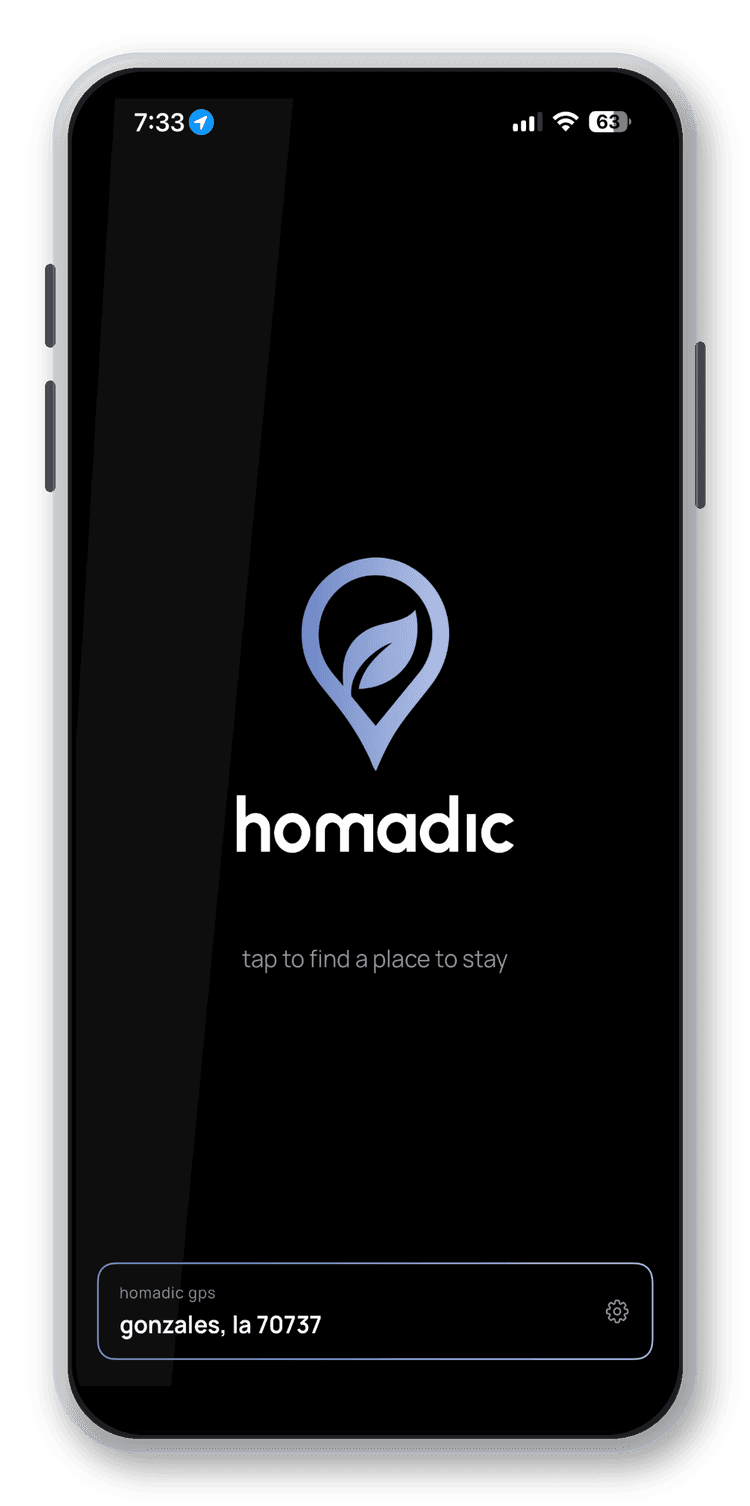
see what the drive actually costs
use the free gas savings calculator to run your own numbers, or let homadic compare nearby stations automatically using your vehicle, fuel grade, and real road distance.
free on ios · search without an account
sources
frequently asked questions
what is the difference between summer gas and winter gas?
they're the same fuel tuned for different temperatures. winter blend is more volatile (higher reid vapor pressure) so it vaporizes and ignites easily in the cold; summer blend is less volatile so it evaporates less in the heat, cutting smog-forming emissions. the epa limits summer volatility in warmer months, which is why the blends switch seasonally.
why is gas more expensive in summer?
summer blend costs more to produce, and the spring refinery transition to it can tighten supply — landing right as summer driving demand rises. seasonality is only one factor, though: crude prices, refinery outages, taxes, and regional supply usually move pump prices more than the blend change alone.
does cold weather affect gas mileage?
yes. per the department of energy's fueleconomy.gov, cold weather lowers fuel economy through longer engine warm-up, idling to warm up, denser air raising drag, lower tire pressure, and winter fuel with slightly less energy per gallon. short trips in the cold are hit hardest because the engine never fully warms up.
is an epa mpg rating what i should expect on every trip?
no. an epa mpg rating is a standardized comparison estimate for comparing vehicles on equal footing — not a prediction of every real-world trip. actual efficiency changes with temperature, trip length, traffic, speed, terrain, load, and driving style, so real mpg can sit above or below the sticker number.
does lower winter mpg change whether cheaper gas is worth the drive?
yes, a little. a detour costs extra round-trip miles ÷ mpg × fuel price, so when cold weather lowers your mpg, each detour mile burns slightly more fuel and a marginal drive for cheaper gas becomes a bit less worth it. a gas savings calculator or an app like homadic can factor your real conditions in.
keep reading
want the seasonal math done for you, conditions and all?
download homadic on the app store